Why Advertising Feels So Safe.

Advertising today feels safe. Not “safe” like bubble wrap safe. Safe like it’s choreographed to offend nobody, surprise nobody, not make you laugh or chuckle, give you that “Ah-ha” moment, or make you feel anything.
It’s clean. It’s polished. And most of the time, it’s forgettable. This isn’t me saying there’s no good work out there. There is plenty of good work. But the default tone of modern advertising feels cautious. Like it’s always trying to stay in bounds.
So why does it feel like we can’t push boundaries anymore? Why does everything get chiseled down? And how do we bring creative bravery back without being reckless or too edgy?
1) The goal became “don’t get blamed”
A lot of modern advertising isn’t curated to “advertise”. It’s focal point is, “defensible.”
When employees feel like one “wrong” campaign can turn into a career problem, the safest move is to copy what everyone else is doing. That survival mindset shows up as “heightened radar” checking every idea for what could go wrong before asking anything else.
That’s how you get ads that feel like they were approved by helicopter parents.
2) Committees do not create. They approve.
Most big campaigns don’t go through one decision-maker. They go through, you guessed it, a “committee.”
It’s common for a campaign to require sign-off from a long list of people such as, brand, product, legal, compliance, PR, and much more. And each person isn’t trying to make it better. They’re trying to make it fit their bounds.
So the sharp parts get sanded down:
Legal softens the claim.
Product adds more features.
PR removes anything that could be “misread.”
Everyone else adds a little.
Each add seems ok. But the final outcome drifts toward the boring middle. That’s how you end up with work that’s easy to ignore.
3) Research often rewards “least offensive,” not “most memorable”
Testing can be helpful. But in advertising, it often becomes a weapon used to kill anything unknown.
The problem is simple, people don’t always know what they want until they see it. Novel ideas can feel confusing at first and testing tends to remove confusion. Apple’s “1984” ad was nearly stopped because focus groups didn’t recommend it. The kind of work that becomes famous often looks “risky” before it becomes culture.
When research becomes a “veto machine” the only thing that leaves the room is a dude wrapped up in bubble wrap.
4) Brand safety has morphed into idea safety
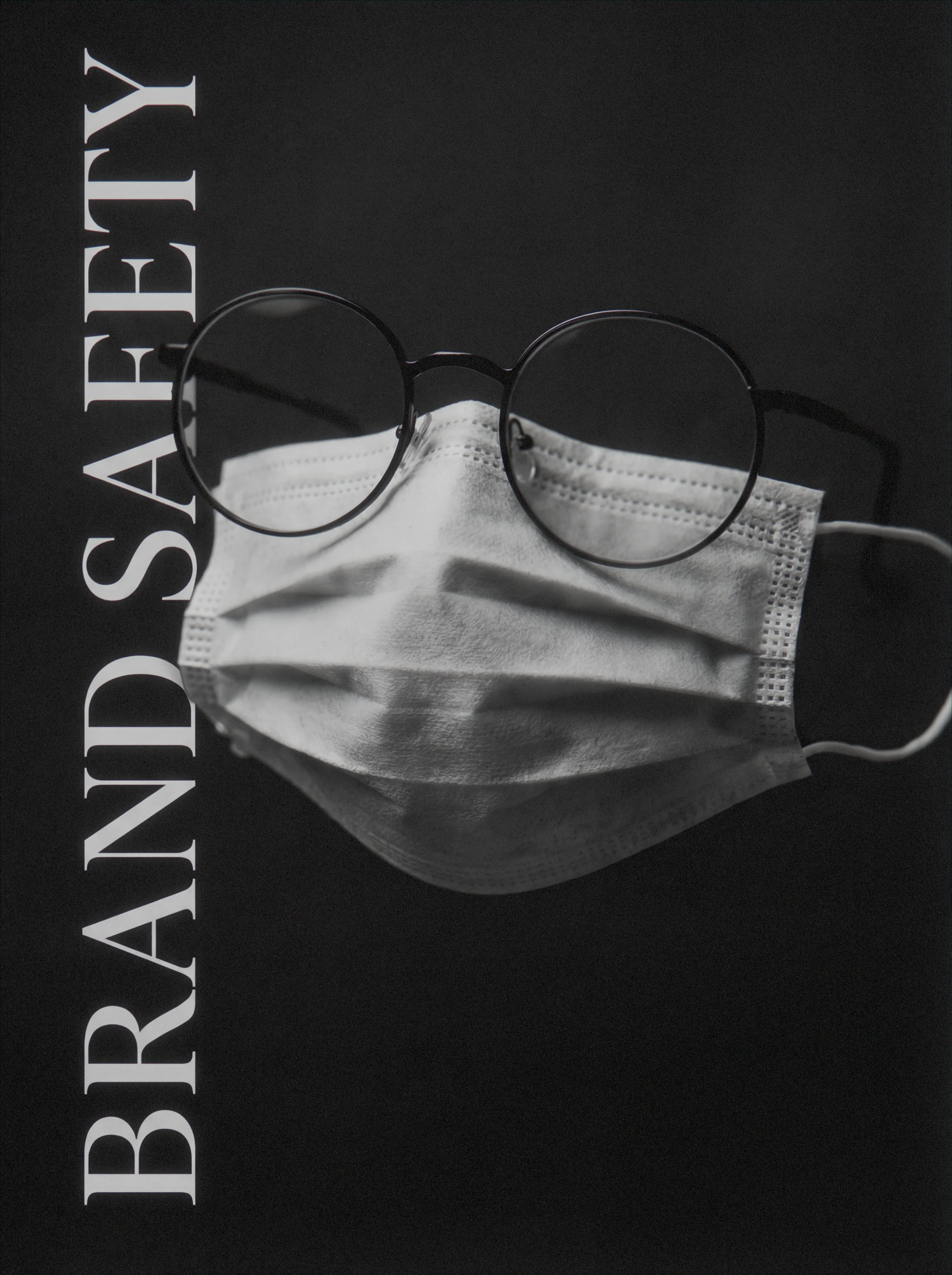
A lot of modern advertising is “lawyer-proofed.” And when legal becomes the creative director, humor and exaggeration get siphoned out.
Some brands now avoid anything that could trigger backlash from either side, so they retreat into neutrality and safe themes.
Blocking certain keywords can push brands away from real culture and real language, which makes everything feel sanitized.
Best way I can describe it is, sterile.
5) Performance marketing trains us to optimize the **** out of things
Digital KPI’s are powerful. But it comes with a cost, it favors what is easy to track and easy to repeat.
Short formats, constant iteration, and ROI pressures push brands toward safe zones. And the more everyone follows the dictatorship, the more advertising becomes a military marching machine.
6) Why I think “safe” is risky
When advertising plays it safe, it’s nearly guaranteed to not be seen. One of the most brutal truths in the industry is that a huge percentage of ads go unnoticed. And when the industry pushes media with low-value, high-frequency “safe” ads, people inevitably tune out, start blocking and skipping ads.
So “safe” avoids short-term blame…and risks long-term irrelevance.
Meanwhile, the evidence keeps pointing in the opposite direction—emotionally engaging. Idiosyncratic creative tends to outperform the boring middle.
How to make work braver without setting yourself on fire
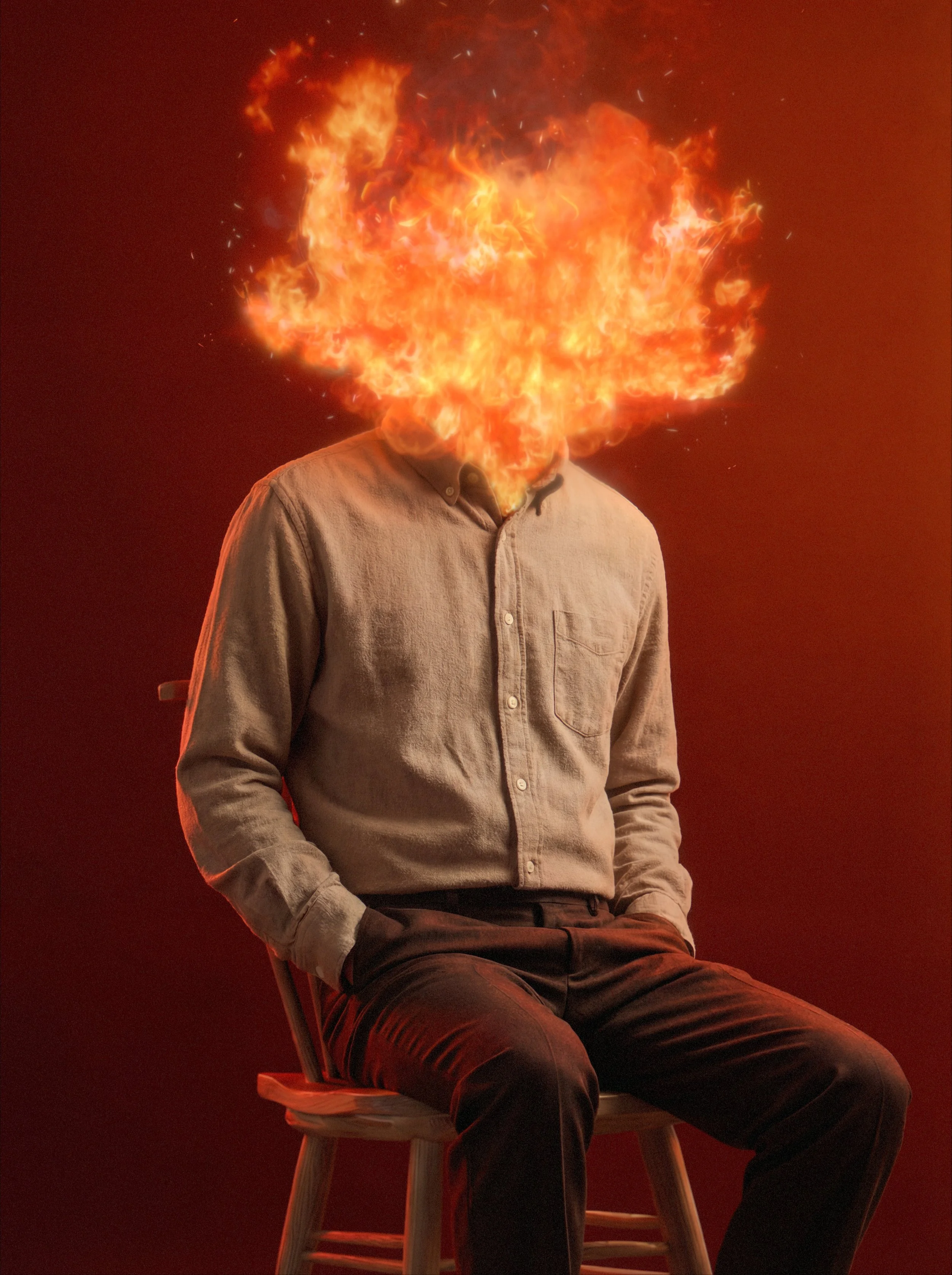
This is the part I care about the most. Because I’m not arguing for SHOCK sake.
I’m arguing for creative freedom during ideation and creative courage during execution.
1) Separate “unfiltered ideation” from “strategic execution”
The mistake is trying to make the first draft “safe.” Let the thinking be messy. Let it be weird. Let it be uncomfortable. Let it even be stupid. Because at times, bad ideas can lead to good ones.
2) Shrink the decision circle
Imagine it like this, a conveyor line of a single giant piece of meat on a massive skewer. As it progresses down the conveyor, people pick at it and grab whatever and however much they please. You know where this is going…The bigger the committee, the safer the ad becomes.
If you want braver advertising, you need:
one clear decision maker, or
a small trusted group,
3) Use research to shape, not to butcher
Testing shouldn’t be “Do people like it?”, “Do they remember it?”, “Do they get it?”, “Does it feel like us?”
Confusion isn’t a bad thing. Sometimes it’s the first sign you’re not making the same thing everyone else is making.
4) Make the business case for bold
If the room is afraid, speak up. Defend it.
The more you can connect brave creative to memory, distinctiveness, long-term brand building, the less it feels like a personal debate. The research world keeps circling the same point, creative quality is a major driver of results.
5) Build guardrails that still leave room to play
Brands do need consistency. But there’s a difference between:
non-negotiables (claims, legal, core brand truth)
and
everything else (tone, style, humor, character, craft).
6) Aim for entertainment again
Certain brands are winning by treating ads like content people actually choose and want to watch. Dark humor. Weirdness. Character. A point of view. Not some “safe positivity.”
There are signs the beast is waking up to this, including the return of humor as a serious tool.
What I want (personally)
I want advertising that feels ALIVE. Not offensive. Not cruel. Not reckless. BUT ALIVE.
Creative. Ambitious. Courageous.
Work that takes a real swing for the fences and accepts that you can’t make something memorable without taking risks.
Because when ads try to please everyone, they end up meaning nothing to anyone.